When choosing a suitable model of a through-spindle machine for yourself, multiple factors need to be considered to ensure that the selected equipment can meet your processing requirements and improve production efficiency. The following are some suggested steps and considerations:
Youdaoplaceholder0 I. Clarify processing requirements
Youdaoplaceholder0 Workpiece material and size : Determine the material (such as metal, plastic, etc.) and size range of the workpiece you want to process, which will directly affect the selection of the through-feed machine. Workpieces of different materials and sizes may require different types of cutting tools, fixtures and processing parameters.
Youdaoplaceholder0 Machining accuracy and surface quality : Determine the required machining accuracy and surface quality based on your product requirements. High-precision centerless lathes usually have better control systems and tool compensation functions to ensure processing quality.
Youdaoplaceholder0 Production efficiency and batch size : Consider your production efficiency and batch size requirements. Mass production may require more efficient and automated through-feed machines, while small-batch production may place greater emphasis on the flexibility and multi-functionality of the equipment.
Youdaoplaceholder0 2. Understanding the types and characteristics of the through-motion machine
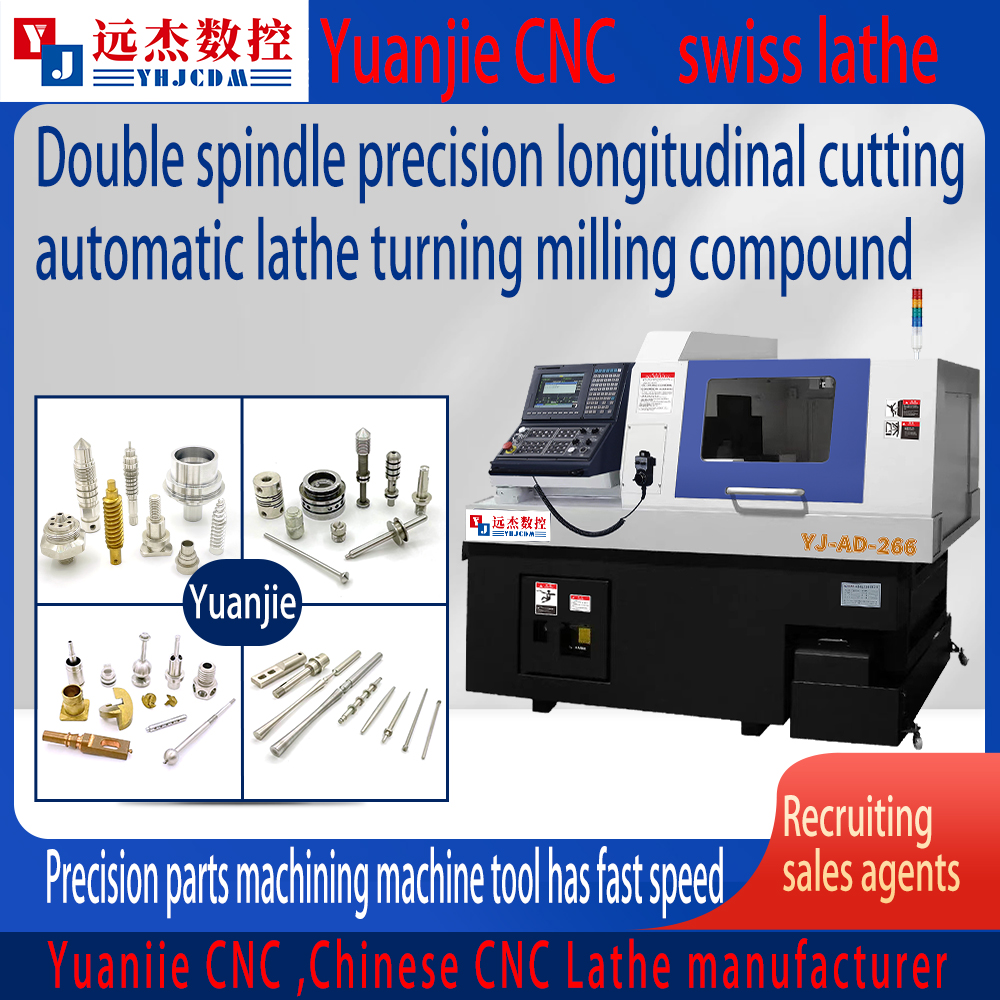
Youdaoplaceholder0 single-spindle and double-spindle : Single-spindle centerless lathes are suitable for simple, medium and small batch processing tasks, while double-spindle centerless lathes can enhance production efficiency and are suitable for large-scale, high-efficiency processing requirements.
Youdaoplaceholder0 Control System and programming : Understand the control system and programming methods (such as G-code, M-code, etc.) of the centerless machine to ensure that you can operate and program the equipment proficiently.
Youdaoplaceholder0 Accessories and extended functions : Consider whether additional accessories or extended functions, such as automatic feeding devices, tool magazines, measurement systems, etc., are needed to enhance the flexibility and automation level of the equipment.
Youdaoplaceholder0 III. Evaluation of suppliers and after-sales service
Youdaoplaceholder0 Brand and reputation : Select well-known brands and suppliers with a good reputation to ensure the quality and reliability of the equipment.
Youdaoplaceholder0 After-sales service and technical support : Understand the after-sales service and technical support situation of the supplier, including equipment installation, commissioning, training, and maintenance services, etc.
Youdaoplaceholder0 Price and cost performance : based on your budget and requirements, evaluate the price and cost performance of different models of the through-hole machine and choose the equipment that best suits you.
Youdaoplaceholder0 4. Field inspection and trial use
Youdaoplaceholder0 Visit the supplier 's factory : If possible, visit the supplier' s factory to learn about the production process and quality control of the equipment.
Youdaoplaceholder0 Trial equipment : Before making a formal purchase, try to test the selected equipment as much as possible to ensure that it meets your processing requirements and operating habits.
In conclusion, choosing a suitable type of centerless machine for oneself requires a comprehensive consideration of factors such as processing requirements, equipment type and features, suppliers and after-sales service, as well as on-site investigation and trial use. I hope these suggestions can be of help to you! If you have any other questions or need more detailed guidance, please let me know at any time.


 Service
 Mobile website